 By Dhruvisha J
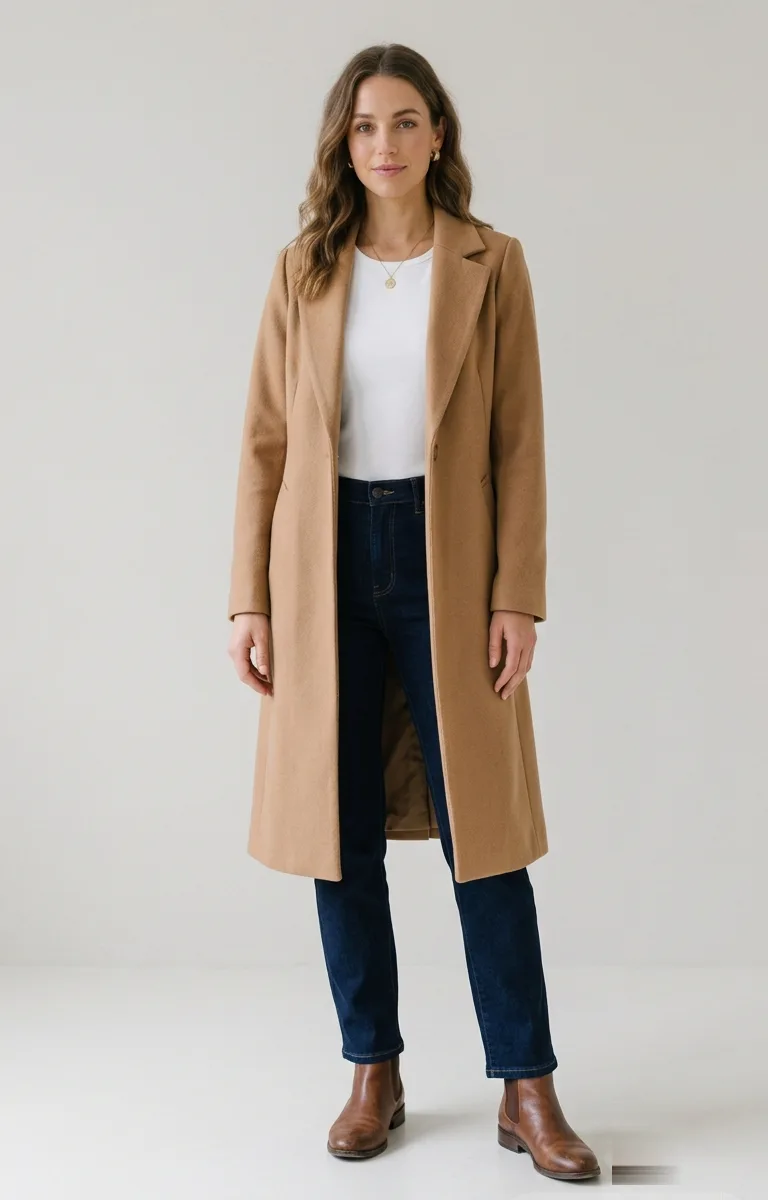
A winter coat is the most important thing you buy for the cold months, and the hardest to judge from a photo. Learning how to choose a winter coat means weighing warmth, fit, length, color and price together, for something you will wear almost daily for years. Get it right and it lasts five or six winters; get it wrong and it hangs by the door, a heavy, expensive mistake.
A coat is a big, long term buy, and the piece other people see most, covering your whole outfit so it has to work on its own. That is why coats get returned so often: online you cannot feel the fabric, check the shoulders, or tell whether the length flatters you. This guide covers every decision that matters, so you buy one great coat instead of returning two.
Why the right winter coat matters
Think in cost per wear. A $300 coat you wear five days a week for four winters costs about a dollar each time. A $90 coat that is too cold, fits badly and gets abandoned after one season costs far more in real terms, because what counts is the price divided by how often you reach for it. The right coat is usually the better value, even at a higher price.
Warmth is the first job: a coat that cannot keep you comfortable in your climate fails before style enters the conversation. But it is not enough alone. Because a coat is the piece people see most, it shapes how put together you look all season. The goal is one that is warm enough, fits your real body, and looks like you.
The main types of winter coat
Each style sits at a different point on the warmth scale and sends a different message.
1. Wool overcoat
A classic knee length coat in wool or a wool blend. Warmth runs moderate to high with weight and lining, and it is the most polished, timeless pick, at home over a suit or jeans.
2. Puffer or down coat
Quilted and filled with down or synthetic insulation, the puffer is the warmth champion for the money, and often the smart primary coat in genuinely cold places. See how to style a puffer jacket.
3. Parka
A longer, hooded, insulated coat for real winter, often with a faux fur hood trim. Warmth is very high and the vibe practical and outdoorsy, the one for snow, wind and long bus stop waits.
4. Trench coat
The trench is for milder cold and wet weather, not deep freeze. Lightweight and often water resistant, it has low warmth alone but layers over a sweater in fall, with a sharp, classic vibe. See how to style a trench coat.
5. Peacoat
A short, double breasted wool coat that hits at the hip, with naval roots. Warmth is moderate and the vibe tidy and classic, smart but easier to wear than a full length coat.
6. Teddy or shearling coat
Plush fleece or shearling, soft and cozy, with warmth from moderate to high depending on construction. The vibe is relaxed and tactile, a favorite for weekends and comfort without a sporty puffer look.
7. Wrap coat
A coat with no buttons, closed by tying a self belt at the waist. Warmth is moderate and fabric dependent, but the tie defines your waist for a soft, flattering line. Good if buttoned styles never feel right on you.
How to choose for warmth
Warmth is where most people guess, and guessing is how you end up cold. A few details on the product page tell you almost everything.
Down versus synthetic, and fill power
Puffers and parkas use down (feathers) or synthetic (polyester). Down is warmer for its weight and lasts years, but loses warmth when wet and costs more. Synthetic is cheaper and keeps insulating when damp. Read any fill power number as a warmth rating: 550 to 650 is everyday warm, 700 and above is serious cold.
Wool weight and lining
For wool coats, the fabric weight does the work. A heavy melton wool holds heat far better than thin suiting wool, so a coat called lightweight wool is really a fall coat. Check the lining too: a full, quilted or insulated one adds real warmth, while an unlined coat is more about looks.
Length and coverage
The more of you a coat covers, the warmer you stay, since your hips and thighs lose heat fast. A hip length coat runs cooler than one reaching the knee or below. For deep warmth, lean longer; for easier movement, knee length is the versatile middle ground.
How to get the fit right
A warm coat that fits badly still looks wrong, and a coat is too big a buy to settle on fit. Run any you like past these checks first.
Shoulders first
The shoulders are the one thing a tailor cannot easily fix, so they decide everything. The seam should sit right at the edge of your shoulder, not halfway down your arm and not pinching inward. Shoulders wrong means coat wrong.
Room to layer a sweater
A winter coat is worn over thick clothes, so it must fit over a sweater, not a t-shirt. Try it with the chunkiest knit you own underneath, then close it and move your arms without the fabric straining across the back or chest.
Sleeve and hem length
Sleeves should reach your wrist bone or just past it, so your hands stay covered when you reach forward. Longer coats look best when the hem hits a clean point like mid thigh, knee or mid calf. A hem across the widest part of your calf shortens your silhouette.
Belting and waist definition
If a coat has a belt, use it. A belt turns a boxy shape into one that follows your waist, which is almost always more flattering. If a straight coat feels shapeless, a wrap or belted style, or even your own belt, is an easy fix.
Colors that go with everything
Because a coat covers your outfit, its color has to work with most of your closet. For a first or only coat, a neutral is the safe, high mileage choice. These five go with almost anything:
- Camel: warm, classic and quietly expensive looking. Flatters most skin tones and dresses up or down.
- Black: the most versatile and easiest to style, sharp in the city and endlessly matchable.
- Gray: a softer neutral than black, charcoal especially, pairing with cool and warm colors alike.
- Navy: nearly as flexible as black but softer, great with denim and brown accessories.
- Cream: fresh and elevated, a lovely change from black, though it asks for more care to keep clean.
When should you pick a bold color like red, emerald or cobalt? When this is not your only coat, so it does not have to match every outfit. Buying just one this season? Keep it neutral and spend your color budget on scarves and gloves.
Choosing a coat for your body type and height
The most flattering coat keeps your proportions balanced, and length is your main lever. This extends our guide on how to dress for your body type, applied to outerwear. A defined waist flatters most body types, so belted and wrap styles are reliably easy to wear. If you carry weight around the middle, a coat that skims rather than clings is kinder than a tight or a boxy cut.
Height changes the length math. If you are petite, a very long coat can overwhelm your frame, so a hem at or above the knee keeps you balanced, and a vertical line of buttons lengthens. If you are tall, you can carry the dramatic full length coats that swamp shorter frames. Whatever your height, avoid a hem that lands at the widest part of your calf, the spot that shortens the leg most.
How to buy a coat online without the regret
The honest problem: coats are the single hardest, most returned item to buy online, because the two things that decide one, the fit on your shoulders and the length on your body, are exactly what a product photo cannot show. A coat on a tall model tells you little about how it sits on you.
That is the gap a virtual try-on closes. Instead of imagining a coat on yourself, you preview it on your own photo and see what matters: how the length hits your leg, how the shoulders read on your frame, and whether the color suits your coloring. You can even compare two coats you are torn between, side by side on the same photo. Try it with our free virtual try-on.
Pair the preview with a little homework and your odds climb. Check the size chart against your own measurements rather than the size name, read reviews for notes like runs small, and confirm the fabric and fill. The virtual try-on answers will this suit me; the size chart answers will this fit me.
Common winter coat buying mistakes to avoid
Most coat regrets come from the same handful of errors. Steer around these and you have avoided the worst.
- Buying a coat online without seeing it on your body. Length and shoulder fit decide a coat, and neither shows in a product photo. Preview it on yourself first.
- Picking style over warmth, or warmth over fit. A gorgeous coat that leaves you cold gets left home, and the warmest coat looks wrong if it does not fit. You need all three.
- Ignoring the size chart and trusting the size name. Coat sizing varies wildly between brands, and you are fitting over thick layers, so read the measurements.
- Forgetting to try it over a sweater. A coat that fits over a tee but strains over a knit is useless in January.
- Choosing the wrong length for your height. A hem that overwhelms a petite frame, or stops short on a tall one, undoes a great coat.
Frequently asked questions
What is the warmest type of winter coat?
A down puffer or an insulated parka gives the most warmth per dollar, especially with high fill power down or thick synthetic insulation. A longer length helps too, since it covers your hips and thighs where you lose heat fast.
How much should I spend on a winter coat?
Think in cost per wear, not sticker price. A coat you wear almost daily for several winters justifies spending more, since the cost spread across all those wears is tiny. A well made neutral coat is usually worth the investment.
How do I know a winter coat will fit before I buy it online?
Shoulders and length decide the look and cannot be judged from a model photo. Check the size chart against your measurements, read reviews for sizing notes, and preview the coat on your own photo with a virtual try-on.
What color winter coat should I buy first?
Choose a neutral like camel, black, gray, navy or cream, since it goes with almost everything. Save bold colors for a second coat, once you already own a neutral workhorse.
Can one coat work for both mild and very cold days?
One coat rarely does both well. A trench or lightweight wool handles mild weather but is too cold for a freeze, while a heavy parka is overkill in fall. A medium weight wool you can layer under, plus a warm scarf, is most flexible.
The bottom line
Choosing a winter coat comes down to balancing four things: warmth that matches your climate, a fit that starts at the shoulders and leaves room for a sweater, a length that flatters your height, and a color that works with your closet. Lead with a neutral, read the warmth clues on the label instead of guessing, and remember the better made coat is usually the better value per wear.
The one step that used to be impossible from home, seeing the coat on your own body, is now the easy part. Preview the length, shoulders, shape and color on your own photo with our free virtual try-on, lean on the size chart for fit, and buy one coat you love with confidence. For more inspiration, browse our winter outfit ideas, or if it is still fall, our fall outfit ideas.
Ready to try it yourself? Upload a photo and see any outfit on you in seconds, and your first try-ons are free. Start a try-on →
One useful style tip a week
What to wear, how to size, and new try-on features. Short, useful, unsubscribe any time.